7-Day Anti-Inflammatory Meal Plan (Simple & Easy to Follow)
If you have read our guide on the 10 best anti-inflammatory foods, you already know what the research says about berries, dark leafy greens, extra virgin olive oil, and the rest. The question most people have after reading that kind of list is always the same: okay, but what do I actually eat for the week?
That is exactly what this plan answers.
At New Healthy Curation, we put together this complete 7-day anti-inflammatory meal plan using the foods that consistently show up in clinical research not expensive supplements, not complicated protocols, just real accessible ingredients arranged into a week of meals that are straightforward to make and genuinely good to eat.
Every day in this plan follows a simple principle: build meals around ingredients that fight inflammation rather than trigger it. That means plenty of berries, greens, whole grains, legumes, healthy fats, and spices and less of the refined carbohydrates, processed oils, and added sugars that drive inflammatory markers up over time.
Save this guide and use it as your meal planning reference this week.
Before You Start The BBGs Principle
The simplest way to make sure every day in this plan is doing anti-inflammatory work is to ask one question at the end of each day: have I had my BBGs?
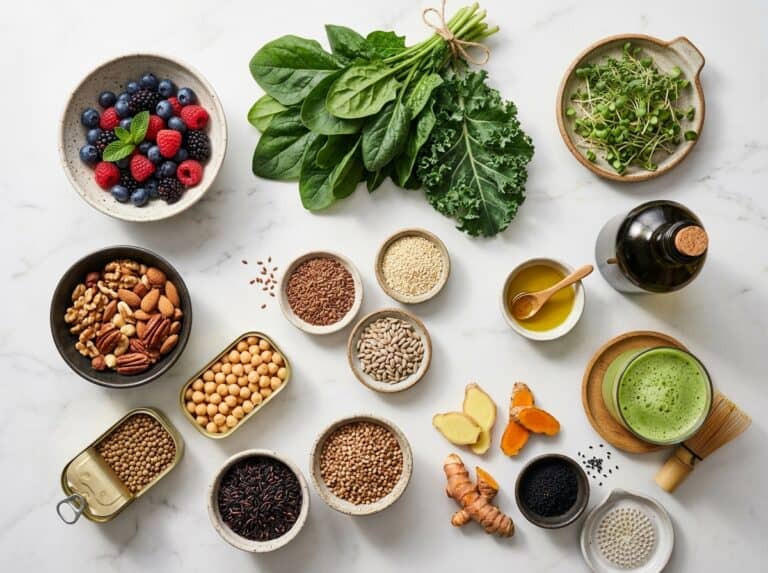
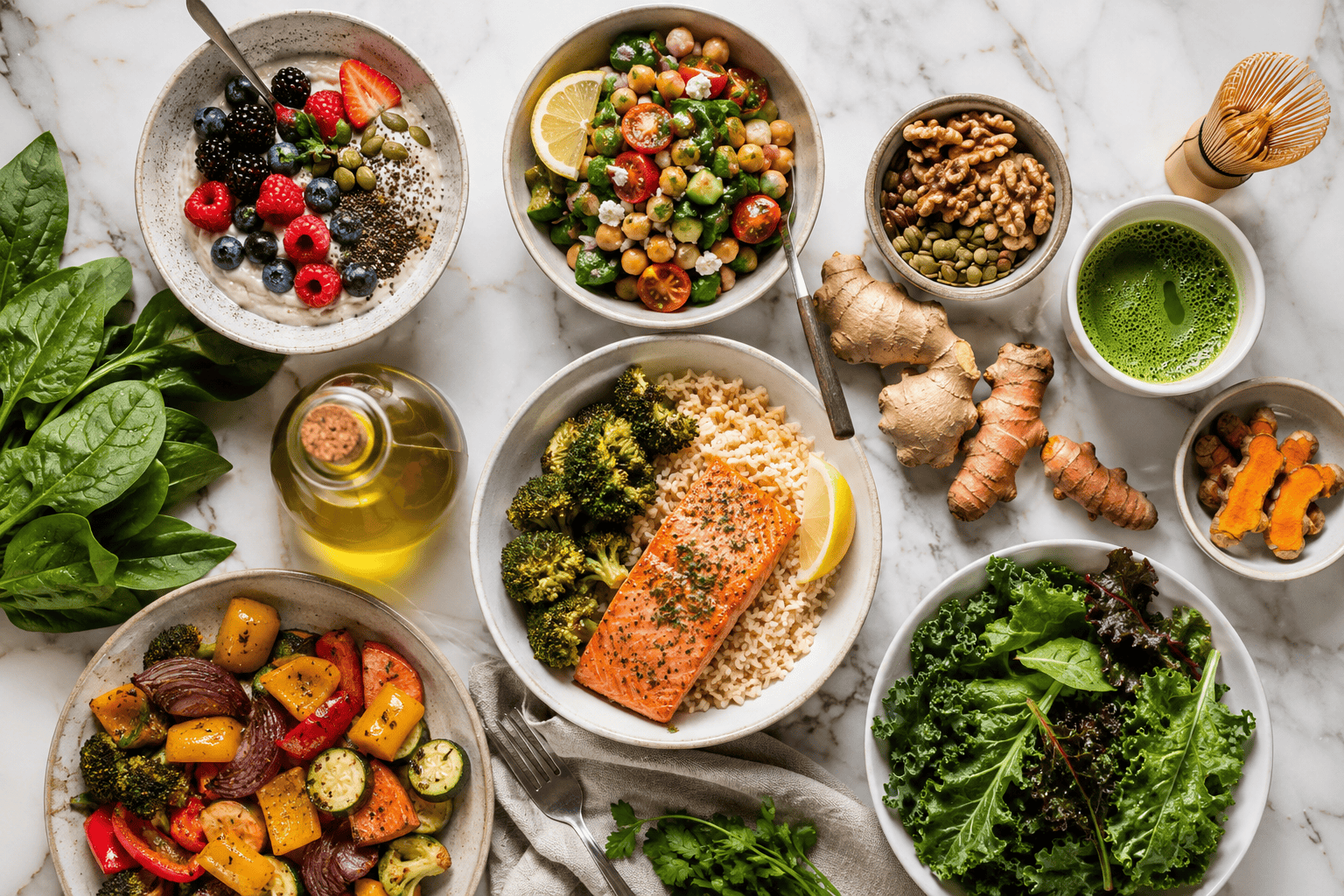
Beans. Berries. Greens. Seeds. And nuts.
These five categories cover the most consistently researched anti-inflammatory ingredients. This plan is built around weaving them into every day not all five at every meal, but distributed naturally across the day so you are hitting each one consistently throughout the week.
Day 1. Start Strong
Breakfast: Berry Overnight Oats. Rolled oats combined the night before with oat milk, a scoop of protein powder or chia seeds, and a generous handful of mixed frozen berries: blueberries, blackberries, and raspberries. Refrigerate overnight. In the morning, it is ready with zero effort. The berry and oat combination covers both the berry and whole grain categories before the day has properly started.
Lunch: Spinach and Chickpea Salad with Lemon Olive Oil Dressing. Baby spinach as the base, a tin of drained chickpeas, cherry tomatoes, sliced cucumber, and a dressing of good-quality extra virgin olive oil and fresh lemon juice. Simple, quick, and covers greens, legumes, and healthy fats in one bowl.
Dinner: Baked Salmon with Roasted Vegetables and Brown Rice. A salmon fillet seasoned with turmeric, garlic, and a drizzle of extra virgin olive oil, baked alongside broccoli florets and sweet potato cubes. Served over brown rice. Salmon delivers omega-3 fatty acids, turmeric adds curcumin, and brown rice provides the whole grain component.
Day 2. Build the Habit
Breakfast: Green Smoothie with Mixed Seeds. Blended spinach, frozen mango, banana, oat milk, a tablespoon of ground flaxseed, and a small piece of fresh ginger. This covers greens, seeds, and ginger three anti-inflammatory categories in a single glass that takes three minutes to make.
Lunch: Lentil and Vegetable Soup. Red lentils cooked with diced tomatoes, carrots, celery, garlic, cumin, and turmeric. A deeply warming, high-fiber lunch that feeds the gut microbiome and stabilizes blood sugar throughout the afternoon. Make a large batch it stores well in the fridge for several days.
Dinner: Stir-Fried Tofu with Kale and Black Rice Firm tofu, pressed and pan-fried until golden, tossed with kale, garlic, ginger, and a light soy and sesame dressing over black rice. Black rice contains the same anthocyanins found in berries the dark color is the signal.
Day 3. Midweek Momentum
Breakfast: Walnut and Berry Yogurt Bowl Plain Greek yogurt topped with a handful of mixed berries, a handful of walnuts, and a drizzle of honey. Walnuts are among the highest polyphenol nuts available and pair naturally with the anthocyanins in berries for a combined anti-inflammatory effect.
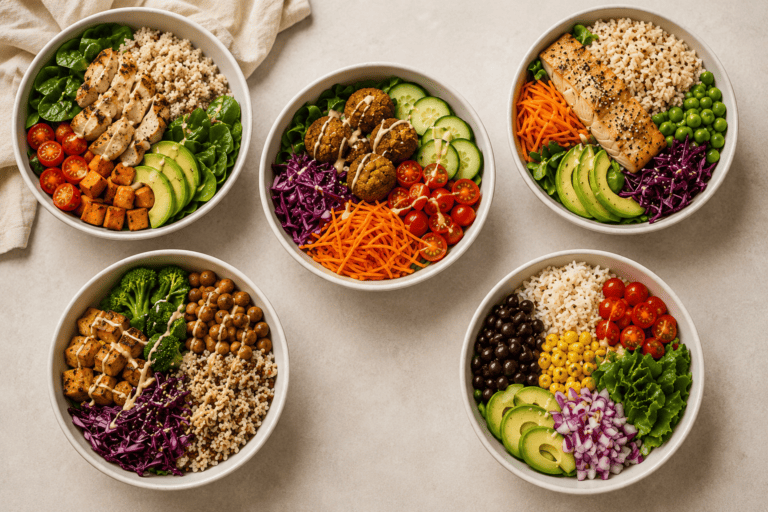
Lunch: Buckwheat and Roasted Vegetable Bowl Cooked buckwheat as the base roasted red peppers, zucchini, and red onion on top, finished with tahini dressing and a handful of pumpkin seeds. Buckwheat is high in rutin, a flavonoid with documented anti-inflammatory properties, and this bowl covers whole grains, seeds, and healthy fats together.
Dinner: Chicken and Chickpea Curry with Turmeric Rice Chicken breast or thighs cooked in a tomato-based sauce with chickpeas, garlic, ginger, turmeric, cumin, and coriander. Served over white rice cooked with a teaspoon of turmeric stirred in. The spice combination here is doing significant anti-inflammatory work alongside the legumes.
Day 4. Halfway Point
Breakfast: Flaxseed Banana Pancakes with Fresh Berries. Blended banana, eggs, a tablespoon of ground flaxseed, and a pinch of cinnamon cooked like regular pancakes and topped with fresh blueberries and a drizzle of honey. The flaxseed adds SDG, one of the most researched anti-inflammatory compounds in seeds, without changing the flavor noticeably.
Lunch: White Bean and Kale Soup. White beans, kale, garlic, vegetable broth, and a finishing drizzle of extra virgin olive oil. One of the simplest lunches on this plan and one of the most effective white beans and kale together cover legumes, greens, and healthy fats in a single bowl.
Dinner: Grilled Chicken with Quinoa, Roasted Broccoli, and Tahini Dressing. Quinoa as the base, grilled chicken seasoned with smoked paprika and garlic, roasted broccoli florets, and a generous tahini dressing made with lemon juice and olive oil. Tahini is ground sesame, which covers the seeds category, and broccoli adds its own anti-inflammatory compounds alongside the whole grain base.
Day 5. Keep the Momentum
Breakfast: Matcha Oat Smoothie– blended rolled oats, oat milk, a teaspoon of matcha powder, frozen mango, and a tablespoon of chia seeds. Matcha is rich in EGCG, one of the most studied anti-inflammatory compounds in green tea using it in a smoothie rather than a latte keeps the sugar content low while delivering the same benefit.
Lunch: Mediterranean Chickpea Bowl. Chickpeas, diced cucumber, cherry tomatoes, red onion, kalamata olives, and crumbled feta cheese over a base of bulgur wheat, dressed with extra virgin olive oil and lemon. This bowl is built entirely from Mediterranean diet staples one of the most studied dietary patterns for lowering inflammation.
Dinner: Black Bean and Sweet Potato Skillet Ground lean beef or plant-based alternative cooked with diced sweet potato, black beans, bell peppers, garlic, cumin, and smoked paprika. A one-pan dinner that covers legumes, complex carbohydrates, and spices together and takes under 25 minutes.
Day 6. Nearly There
Breakfast: Chia Pudding with Pomegranate and Walnuts. Chia seeds soaked overnight in oat milk with a touch of vanilla. Topped in the morning with pomegranate seeds and crushed walnuts. Pomegranate is one of the most polyphenol-rich fruits available — and combined with the omega-3 fatty acids in chia seeds and walnuts, this breakfast is doing serious anti-inflammatory work before 9 am.
Lunch: Tuna and Cannellini Bean Salad. Canned tuna, cannellini beans, celery, red onion, fresh parsley, and a dressing of extra virgin olive oil, lemon juice, and Dijon mustard. A protein and fiber-dense lunch that keeps energy stable and covers both the legume and healthy fat categories.
Dinner: Baked Cod with Roasted Asparagus and Sorghum. Cod fillet seasoned with garlic, lemon, and fresh dill, baked alongside asparagus spears, served over cooked sorghum. Sorghum, particularly the red or brown varieties, contains unique anti-inflammatory compounds that set it apart from more commonly used grains. It is worth seeking out if available.
Day 7. Finish Strong
Breakfast: Mixed Berry Smoothie Bowl. Blend frozen mixed berries, banana, and oat milk thick enough to eat with a spoon, topped with granola, hemp seeds, and a handful of fresh berries. Hemp seeds contain around 10 grams of protein per handful alongside omega-3 fatty acids and polyphenols.
Lunch: Lentil and Roasted Vegetable Wrap. Cooked green lentils, roasted red peppers and zucchini, baby spinach, and hummus wrapped in a whole wheat flatbread. Every component of this wrap is doing anti-inflammatory work: lentils for the legume and fiber benefit, roasted vegetables for their carotenoids, spinach for lutein, and hummus for tahini and olive oil.
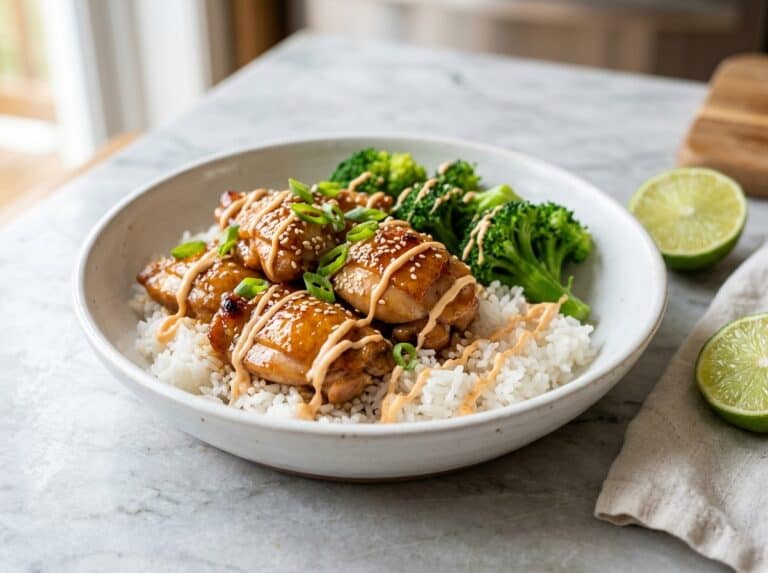
Dinner: Turmeric Ginger Chicken with Brown Rice and Steamed Greens. Chicken thighs marinated in turmeric, ginger, garlic, lemon juice, and olive oil, then pan-seared and finished in the oven. Served with brown rice and steamed bok choy or spinach. A strong close to the week that covers spices, whole grains, and greens in one satisfying plate.
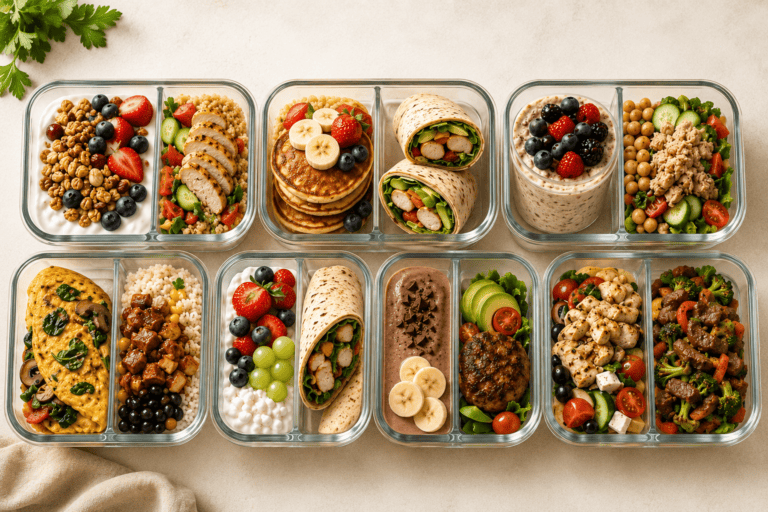
Meal Prep Tips That Make This Plan Work: Batch cook your grains. Brown rice, quinoa, buckwheat, and sorghum all store well in the fridge for up to five days. Cooking a large batch on Sunday means grains are ready to go for lunches and dinners throughout the week.
Make soup in bulk. The lentil soup on Day 2 and the white bean and kale soup on Day 4 both store well and actually improve in flavor after a day or two. Make a large pot and portion it out.
Keep frozen berries stocked. Fresh berries are expensive and go off quickly. Frozen berries have the same anthocyanin content as fresh and are significantly more practical for daily use in oats, smoothies, and yogurt bowls.
Prep your seeds. Keep a small jar of mixed seeds flax, chia, pumpkin, sesame, sunflower on the counter. Adding a tablespoon to whatever you are already eating is the easiest way to hit the seeds category every day without thinking about it.
Use spices generously. Turmeric, ginger, cumin, and coriander appear throughout this plan because the research consistently supports their anti-inflammatory effect even in the small amounts used in cooking. They also make the food significantly more interesting.
What to Expect
By the end of this week, the most commonly reported changes are steadier energy throughout the day, reduced bloating, and better sleep all consistent with what happens when inflammatory markers come down and gut health improves from consistent fiber intake.
These are not dramatic overnight changes. Anti-inflammatory eating works cumulatively — what you eat most of the time, over weeks and months, is what drives the result. This plan is a starting point, not a one-week fix.
For more on the specific foods and the research behind them, our guide to the 10 best anti-inflammatory foods covers each ingredient in detail.
We suggest working through this plan one week at a time and adjusting based on what fits your schedule and preferences. Let us know in the comments which day’s meals you enjoyed most.
This content is for informational purposes only and is not intended as medical advice. Always consult a qualified healthcare professional before making significant changes to your diet.