Top 10 High Protein Foods (With Exact Protein Per Serving)
Protein is the one macronutrient that most people consistently undereat and it is also the one that makes the biggest difference to how full you feel, how well your body recovers, and how effectively you manage your weight over time.
The challenge is not knowing that protein matters. Most people already know that. The challenge is knowing which foods actually deliver meaningful amounts of it, and how much you are realistically getting per serving without having to count every gram obsessively.
At New Healthy Curation, we put together this straightforward guide to the ten best high protein foods with the exact numbers so you know what you are actually eating and can build your meals around foods that genuinely move the needle.
Why Most People Are Not Getting Enough Protein
The recommended daily protein intake for an average adult is around 0.8 grams per kilogram of body weight but research increasingly suggests that active people, anyone trying to lose fat, and anyone over 40 benefit significantly from eating closer to 1.2 to 2.0 grams per kilogram. That is a meaningful difference.
Most people fall short not because they are avoiding protein sources but because they are underestimating how little protein many common foods actually contain. A slice of cheese has about 5 grams. A bowl of pasta has around 7 grams. A handful of nuts has 6 grams. These are not high protein foods they are foods with some protein in them.
The ten foods below are different. These are genuinely high protein sources that can move your daily total significantly with a single serving.
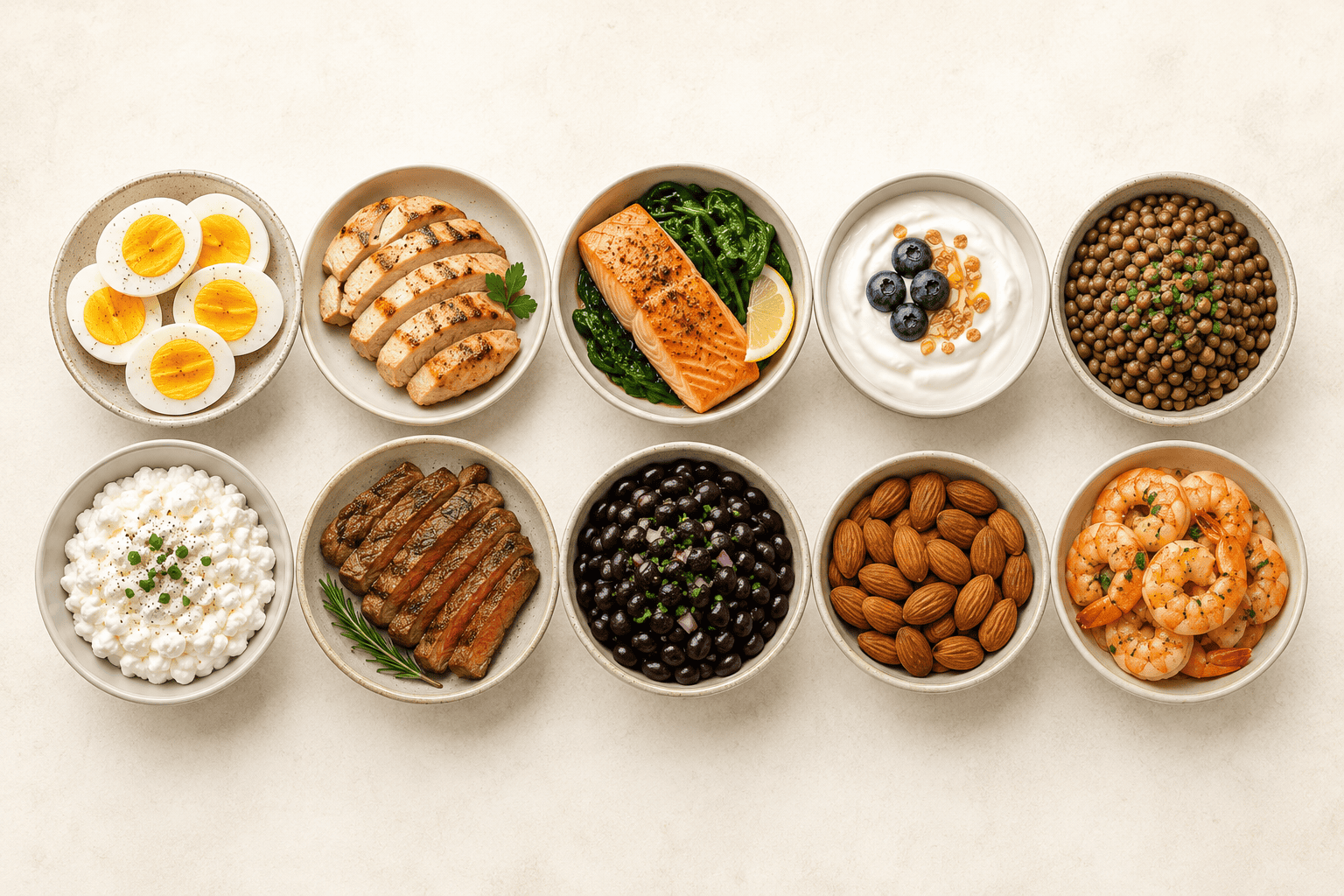
1. Chicken Breast: 31g per 100g
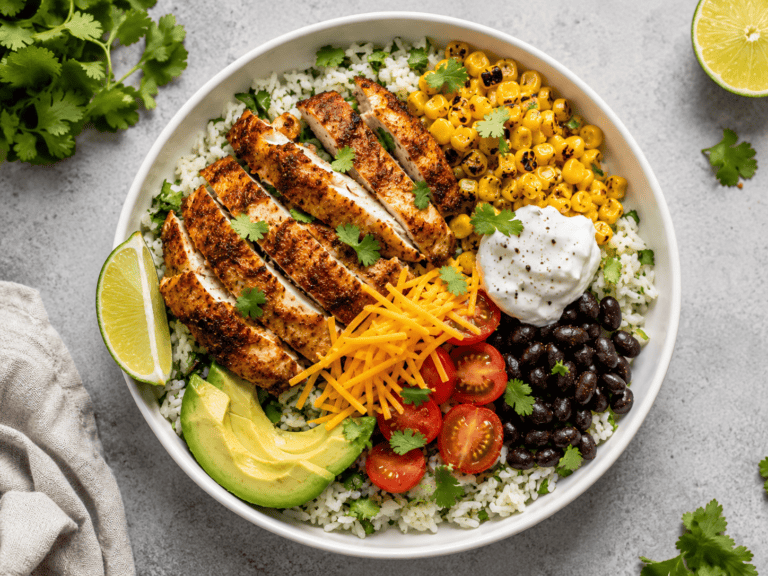
Chicken breast is the most efficient protein source most people have easy access to. Thirty-one grams of protein per hundred grams with very little fat makes it the highest protein-to-calorie ratio of any common whole food. It is also versatile enough to work in almost any meal format grilled, baked, shredded, sliced which is why it appears in virtually every serious high protein eating plan.
The key with chicken breast is not overcooking it. Dry, overcooked chicken breast is one of the main reasons people get tired of eating it. A meat thermometer, pulling it at 74 degrees Celsius, and resting it for five minutes before slicing makes an enormous difference to texture and enjoyment.
2. Lean Beef: 26g per 100g
Lean cuts of beef sirloin, tenderloin, and extra-lean ground beef deliver around 26 grams of protein per hundred grams alongside a strong dose of iron, zinc, and B12 that plant proteins do not provide in the same bioavailable form. For anyone who struggles with energy or gets frequent cravings, iron deficiency is a common and frequently overlooked culprit and lean beef is one of the most effective dietary sources.
Extra-lean ground beef is particularly practical for meal prep. It cooks quickly, stores well, and works in a wide range of meals from skillets to stuffed peppers to bowls.
3. Canned Tuna: 25g per 100g
Canned tuna is one of the most underrated high protein foods available. Twenty-five grams of protein per hundred grams, shelf-stable, affordable, and ready to eat with zero cooking required. A single tin of tuna in water contains roughly 20 to 25 grams of complete protein depending on the brand and size.
It works well in salads, mixed with Greek yogurt instead of mayo for a lighter tuna salad, or simply on whole grain crackers as a high-protein snack that takes thirty seconds to prepare. For anyone who wants high protein without spending time cooking, canned tuna is genuinely one of the best options available.
4. Salmon: 22g per 100g
Salmon delivers 22 grams of protein per hundred grams alongside omega-3 fatty acids that most people are significantly deficient in. The combination of complete protein and anti-inflammatory fats makes salmon uniquely valuable it is doing two important jobs simultaneously that most protein sources do not.
Both fresh and frozen salmon work equally well nutritionally. Baking a salmon fillet at 200 degrees Celsius for 15 minutes with garlic, lemon, and olive oil is one of the fastest high-protein dinners available under 20 minutes from start to plate.
5. Lentils: 18g per 100g (cooked)
Lentils are the highest protein plant-based food on this list and one of the most overlooked protein sources overall. Eighteen grams of protein per hundred grams cooked, combined with high fiber content that feeds the gut microbiome and stabilizes blood sugar lentils do more nutritional work per gram than almost any other food.
They also contain iron, folate, and potassium, and they are among the most affordable ingredients in any grocery store. Red lentils cook in under 20 minutes without soaking. Green and brown lentils take slightly longer but have a firmer texture that works well in salads and grain bowls.
6. Greek Yogurt: 17g per 100g
Greek yogurt contains significantly more protein than regular yogurt because the whey is strained out during production, concentrating the protein content. Seventeen grams per hundred grams makes it one of the highest protein dairy options available and it doubles as a probiotic source for gut health at the same time.
Plain, full-fat or low-fat Greek yogurt is what delivers these numbers. Flavored Greek yogurts typically have added sugar that reduces the protein-to-calorie ratio significantly. Using plain Greek yogurt as a base and adding your own fruit or honey gives you control over both the protein content and the sugar level.
7. Black Beans: 15g per 100g (cooked)
Black beans provide 15 grams of protein per hundred grams cooked alongside fiber, folate, and antioxidants that make them one of the most nutritionally complete plant foods available. They are also one of the most practical canned black beans are ready to use immediately, store indefinitely, and cost very little.
Adding a tin of black beans to a salad, bowl, or skillet is one of the fastest ways to add 15 to 20 grams of plant protein to any meal without changing the flavor significantly. They absorb the seasoning of whatever they are cooked with, which makes them genuinely versatile.
8. Cottage Cheese: 14g per 100g
Cottage cheese has had a significant resurgence in popularity, and the nutrition behind it justifies that completely. Fourteen grams of protein per hundred grams, mostly from casein — a slow-digesting protein that keeps you fuller for longer than whey-based proteins. Eating cottage cheese before bed has been studied specifically for its effect on overnight muscle recovery, because casein releases amino acids slowly throughout the night.
It works well as a savory base with vegetables and herbs, as a sweet bowl with berries and honey, or blended smooth as a high-protein substitute for cream cheese or sour cream in recipes.
9. Eggs: 12g per 2 Large Eggs
Two large eggs deliver around 12 grams of complete protein containing all nine essential amino acids. Eggs are also one of the most bioavailable protein sources available, meaning the protein in eggs is absorbed and used by the body more efficiently than most other sources.
Beyond protein, eggs contain choline, lutein, and zeaxanthin, nutrients important for brain function and eye health that are genuinely difficult to get in meaningful amounts from other foods. The idea that eggs are harmful because of their cholesterol content has been largely revised by more recent research; for most people, whole eggs are one of the most nutritionally complete foods available.
10. Almonds: 6g per 28g Handful
Almonds are the lowest protein source on this list per serving, but they earn their place because they are the most practical high-protein snack available. A small handful about 28 grams, delivers 6 grams of protein alongside healthy fats, magnesium, and vitamin E with no preparation required.
As a standalone snack between meals, almonds are significantly better than most alternatives. They do not spike blood sugar, they provide sustained energy, and the combination of protein and fat keeps hunger away for a meaningful amount of time. Mixed with other nuts for variety, or kept in a small container for on-the-go snacking, almonds are one of the simplest daily protein habits to build.
How to Use This List
The most effective approach is not picking one or two favorites and eating them exclusively. Different protein sources have different amino acid profiles, different micronutrients, and different satiety effects. Rotating across several of these foods throughout the week chicken one day, salmon the next, lentils for lunch, Greek yogurt at breakfast gives a broader nutritional base and makes eating high protein significantly less boring.
A practical daily target for most active adults is between 100 and 150 grams of protein per day. Spread across three meals and a snack, that works out to roughly 25 to 40 grams per meal, achievable with any combination of foods from this list without requiring obsessive tracking.
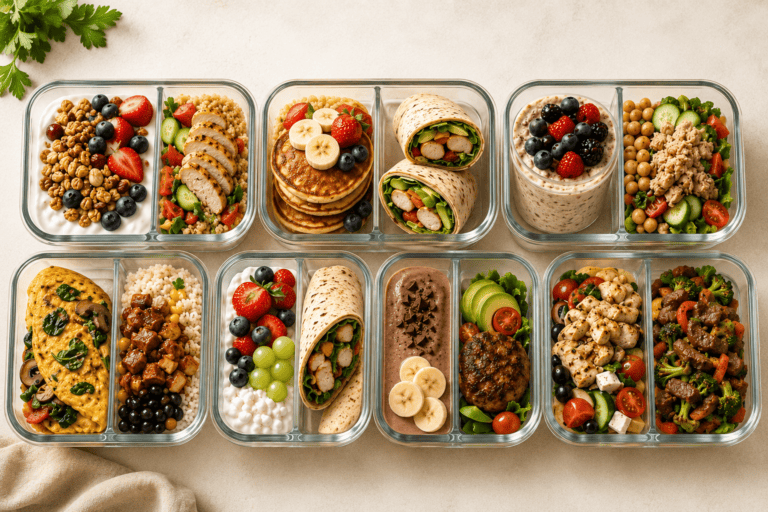
For a complete week of meals built around these protein sources, our 7-Day High Protein Meal Plan covers every breakfast, lunch, and dinner with the exact combinations that make hitting daily protein targets straightforward.
We suggest saving this guide and using it as a reference when planning your weekly groceries. Let us know in the comments which protein source you rely on most we read every one.
This content is for general informational and educational purposes only. Individual nutritional needs vary based on age, health status, and activity level. Consult a qualified healthcare professional or registered dietitian for personalised nutrition advice.